

Organic Pillows
"Organic" is a certified claim, not a feeling. Here is how to check it, and which Soft Souls pillows use natural plant fills today.
No products in Organic Pillows right now
We only list products here when they match the description on this page. Until then, these are the closest options we have. Questions? Our team is happy to help on WhatsApp.
You may like
-
82% off
Kapok · Summer-friendly · Navy
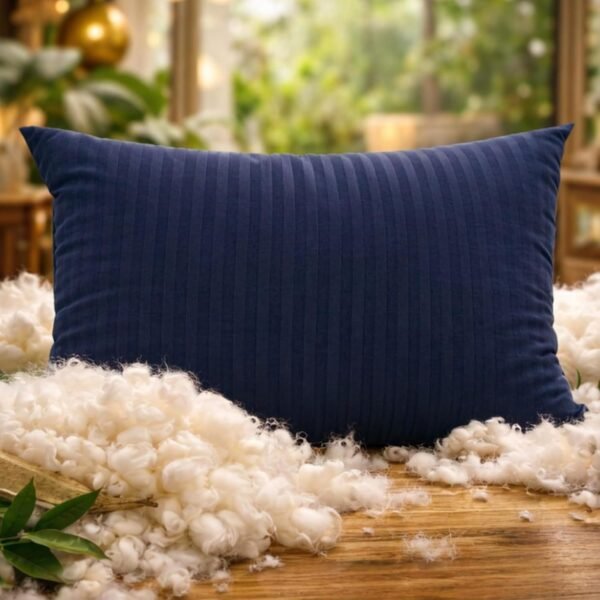
Kapok Pillow 15 x 22 in – Navy Blue
Original price was: ₹2,599.00.₹472.00Current price is: ₹472.00. -
70% off
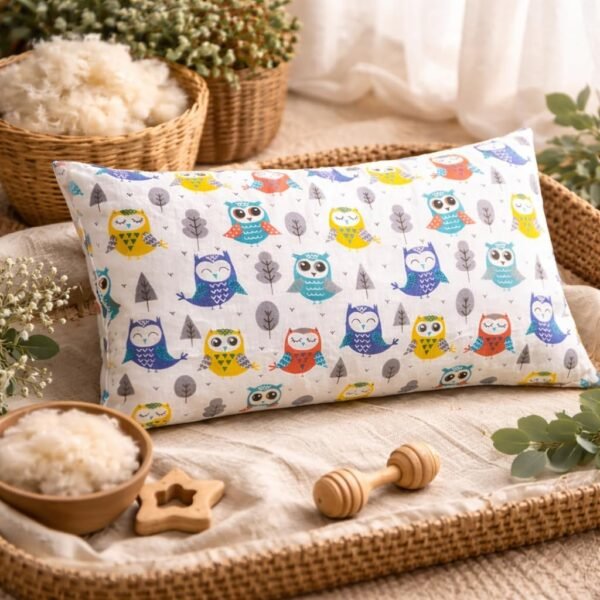
Kids · Bird print · Kapok
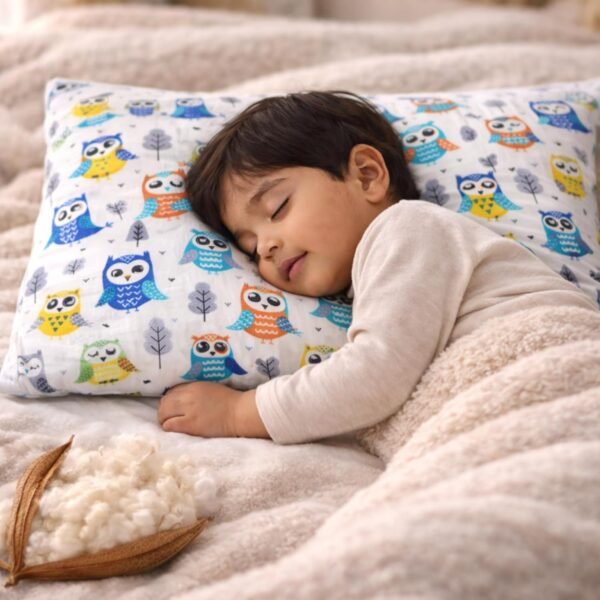
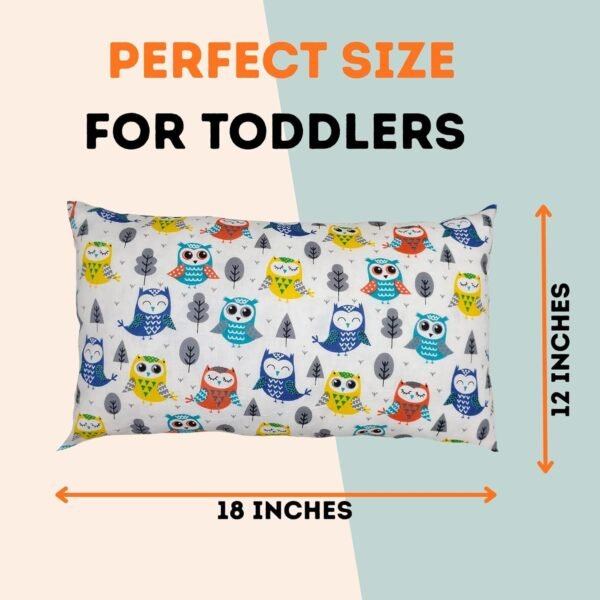
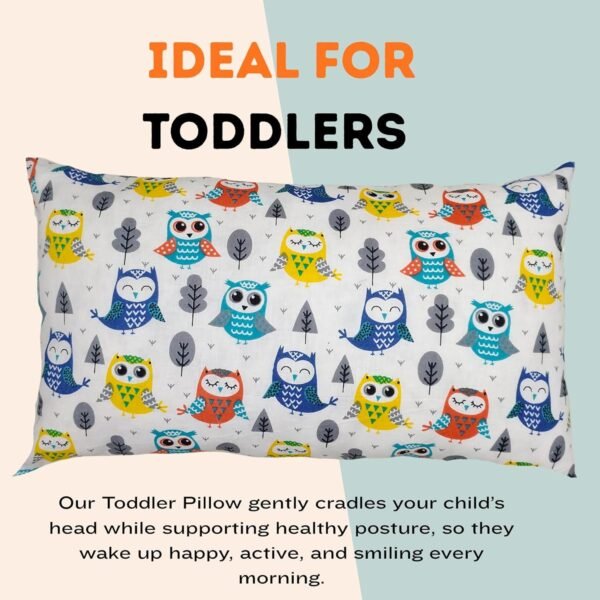
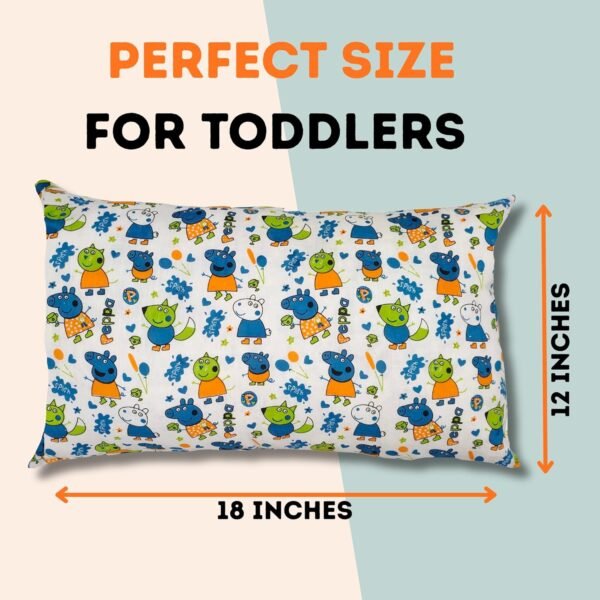
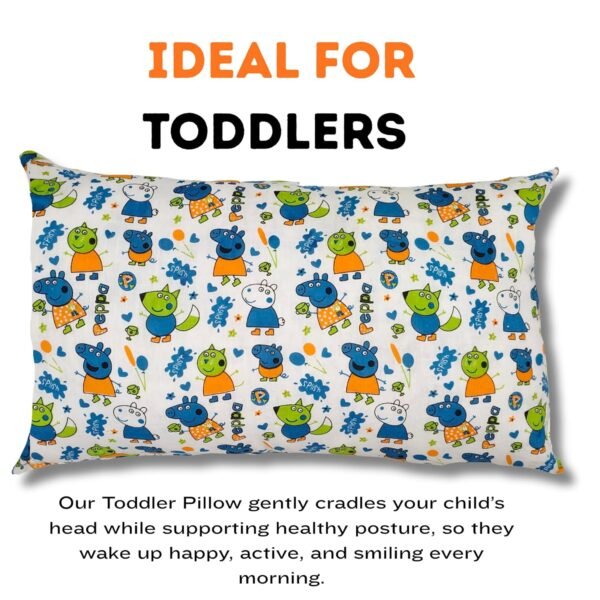
Kids Kapok Pillow 12 x 18 in – Bird Print
Original price was: ₹1,599.00.₹479.00Current price is: ₹479.00. -
70% off
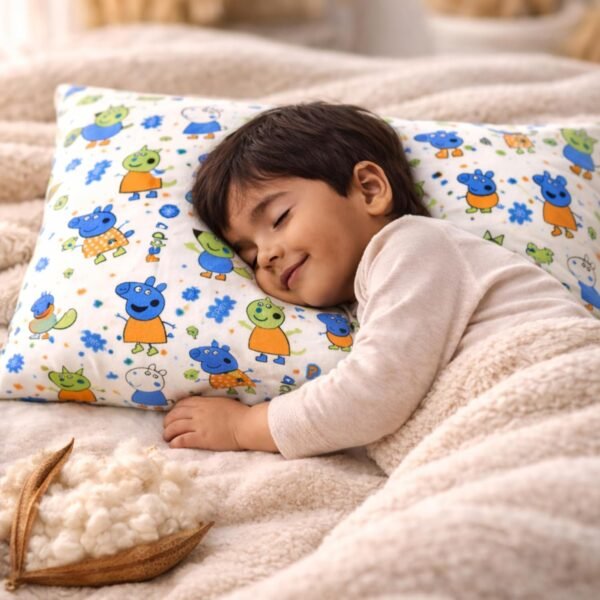
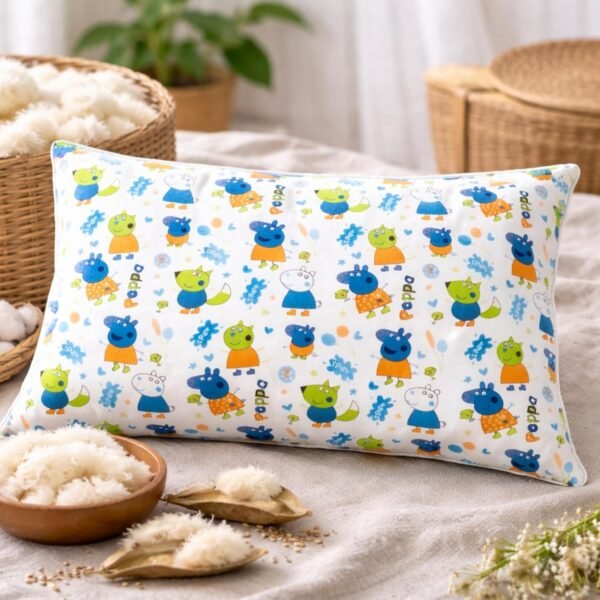
Kids · Kapok · 12 x 18 in
Kids Kapok Pillow 12 x 18 in – Printed Cotton
Original price was: ₹1,599.00.₹479.00Current price is: ₹479.00. -
88% off
Kapok · Cotton-blend cover · Teal
Kapok Pillow 15 x 22 in – Teal
Original price was: ₹5,599.00.₹676.00Current price is: ₹676.00.


Buying guide
Buying an organic pillow
- 1Ask for the certificateA certified organic textile names its standard, such as GOTS, and the certifying body. No certificate, no organic claim.
- 2Check which part is organicThe fill, the cover or both. A label should say exactly which, and in what percentage.
- 3Natural is not the sameKapok and cotton are natural plant fibres. They are only organic when grown and processed under a certified standard.
Organic, natural or synthetic?
| Feature | Certified organic | Natural fill | Synthetic fill |
|---|---|---|---|
| What it means | Grown and processed under a recognised organic standard | Plant fibre such as kapok or cotton | Man-made fibre such as polyester |
| How to check | Certificate and licence number on the product | Fill named in the Material Passport | Fill named in the Material Passport |
| Shop | You're here | Kapok Pillows | Fibre Pillows |
Organic pillows: what the word really means, and how to check it
"Organic" is one of the most used words in bedding, and one of the least checked. A pillow is only organic when its fibre was grown and processed under a recognised organic standard, and the seller can show you the certificate. This guide explains what to look for, so you can buy an organic pillow with confidence, or choose a natural fill knowing exactly what it is.
Organic is a certified claim
For textiles, the most widely recognised standard is GOTS, the Global Organic Textile Standard. A GOTS certified product is made with a minimum share of certified organic fibre, and the factories that process it are checked as well. Other standards exist for raw fibre only. Whichever standard is used, a genuine organic product should name it, along with the certifying body and a licence or certificate number you can look up.
Questions to ask before you buy
- Which part is organic? The fill, the cover, or both. A cotton cover can be organic while the fill inside is not.
- What percentage? "Made with organic cotton" can mean a blend. The label should give the share.
- Where is the certificate? A real certificate names the standard, the certifier and the product.
Natural is not the same as organic
Kapok (Illavam Panju) and cotton are natural plant fibres. They are not synthetic, and many people prefer them for that reason. But natural fibres are only organic when they are grown and processed under a certified scheme. At Soft Souls we name the exact fill of every pillow in its Material Passport, and we only use the word organic on a product when we hold its certificate and show it there.
Natural pillows you can buy today
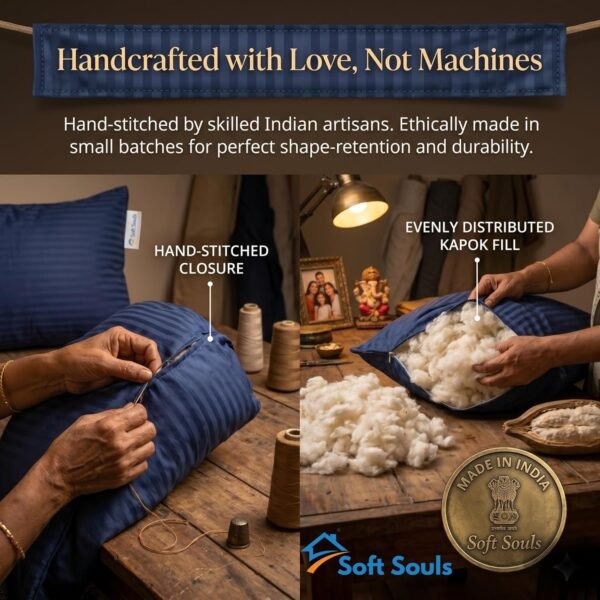
If what you want is a plant-based fill rather than a certificate, our kapok pillows are filled with the light, springy fibre from kapok tree seed pods, and our cotton pillows use natural cotton fibre for a denser, settled feel. Both come with clear details on size, weight, cover and care.
Caring for a natural-fill pillow
Air the pillow in the shade once a month, fluff it daily and wash the cover as needed. Keep the fill dry: natural fibres stay fresh longest when they get air and stay out of damp.
The certificates you may see on a pillow
When a pillow really is organic, the seller should be able to name the standard and the body that certified it. The most common textile standard is GOTS (Global Organic Textile Standard), which covers how organic fibre is grown and processed into a finished textile. Another, OCS (Organic Content Standard), tracks how much organic material is in a product without covering the whole processing chain. A certificate applies to a named company and its products, so a logo on a website is not enough; a genuine seller can tell you the certificate holder and certificate number so you can check it on the certifier's public database.
Which part of a pillow can be organic?
A pillow has at least two parts: the fill and the cover. Either can be certified organic, both can be, or neither. A label that says "organic cotton cover" tells you nothing about what is inside. Read the label for each part separately, and look for a percentage. If a pillow is described only as "organic" with no detail, ask before you buy.
Kapok and organic farming
Kapok grows on large trees that are usually not sprayed or irrigated the way field crops are, which is one reason people associate it with natural living. That is not the same as organic certification. A kapok pillow is a natural plant-fill pillow; it is an organic pillow only when its fibre and processing are certified as organic. We describe our kapok pillows as natural, not organic, and we will only list a pillow in this category when it carries a certificate we can show you.
Why we keep this page even with no products
Many people search for an organic pillow when what they really want is a pillow without foam or synthetic fill, from a brand that tells them what is inside. If that is you, our kapok pillows, Illavam Panju pillows and cotton pillows list their fill, cover, weight and origin in a Material Passport on every product. If you specifically need certified organic bedding, this page is where it will appear first, with its certificate details, when we stock it.
Why organic claims cost more
Certified organic fill and fabric cost more because the whole chain, from farm to finished product, has to be inspected and documented. That cost is real, which is also why a very cheap "organic" pillow deserves a close look at its certificate.
Organic pillow FAQs in brief
- Is an organic pillow cooler? Certification is about how a fibre is grown and processed, not about temperature. How warm a pillow feels depends on the fill and cover.
- Is natural fill better for allergies? We do not make health claims. If you have allergies, ask your doctor which materials to avoid, and check each product's fill.
- Do organic pillows need special care? Care depends on the fill. Natural fills like kapok and cotton like regular airing in the shade.
Where to look for proof
A genuine certificate names the certifier, the certificate holder and what exactly is certified, and it can usually be checked on the certifier’s own website. If a seller cannot point you to it, treat "organic" as a description, not a claim.
Part of our Pillow range. Also see Kapok Pillows, Illavam Panju Pillows, Cotton Pillows, Kids Pillows, Fibre Pillows, Baby Pillows.
Organic pillow questions
Are Soft Souls kapok pillows organic?
We only call a product organic when we hold a certificate for it, and the certificate is shown in its Material Passport. Our kapok and cotton pillows are natural plant fills.
What is GOTS?
The Global Organic Textile Standard. It certifies textiles made with organic fibre and checks how they are processed.
Is a natural pillow better than a synthetic one?
It depends on what you want. Kapok and cotton feel airy or settled and are plant fibres; hollow fibre is soft and fully machine washable.
Also browse