

Kapok Pillows
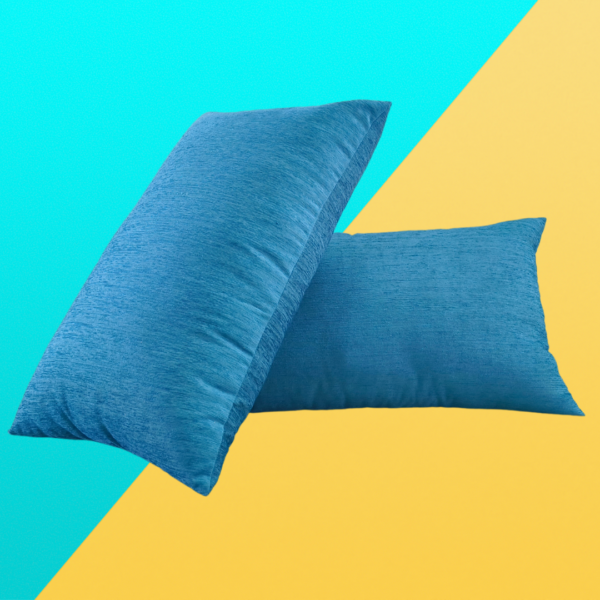
Filled with kapok, the light, airy natural fibre known in Tamil homes as Illavam Panju. Single pillows, matching pairs and smaller sizes for children.
Products
-
82% off
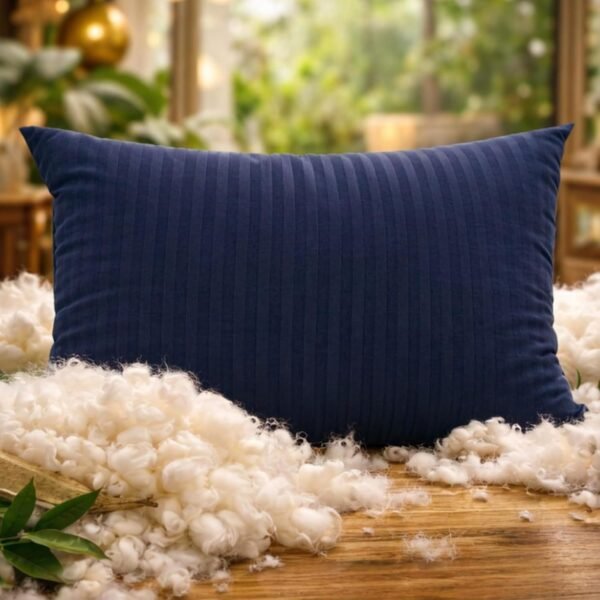
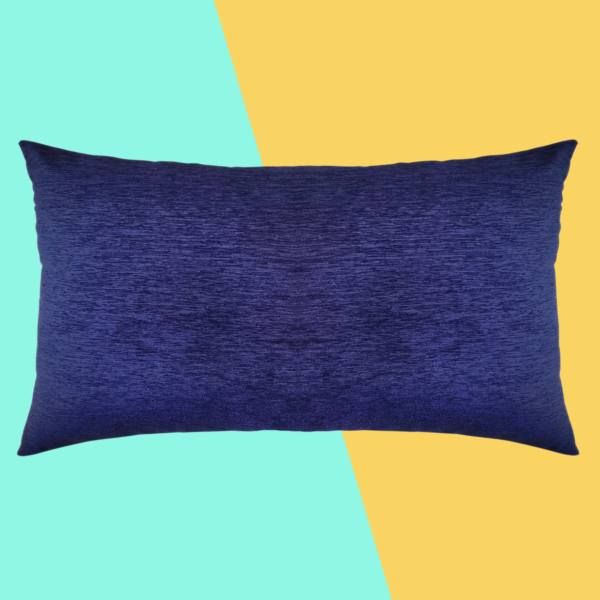
Kapok · Summer-friendly · Navy
Kapok Pillow 15 x 22 in – Navy Blue
Original price was: ₹2,599.00.₹472.00Current price is: ₹472.00. -
88% off
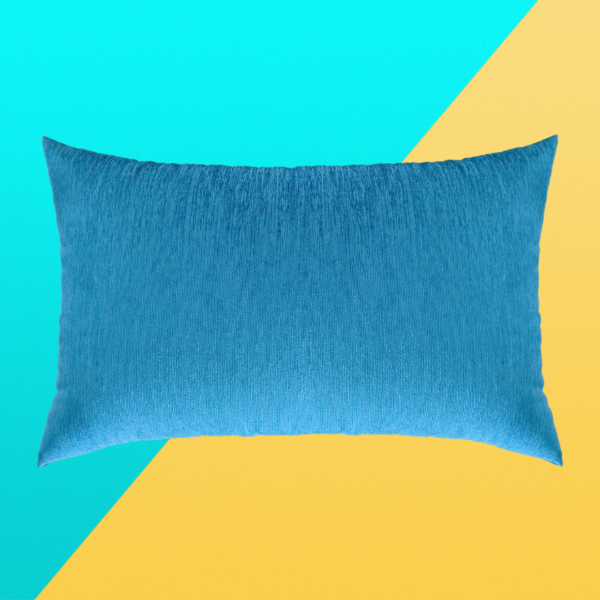
Kapok · Cotton-blend cover · Teal
Kapok Pillow 15 x 22 in – Teal
Original price was: ₹5,599.00.₹676.00Current price is: ₹676.00. -
82% off
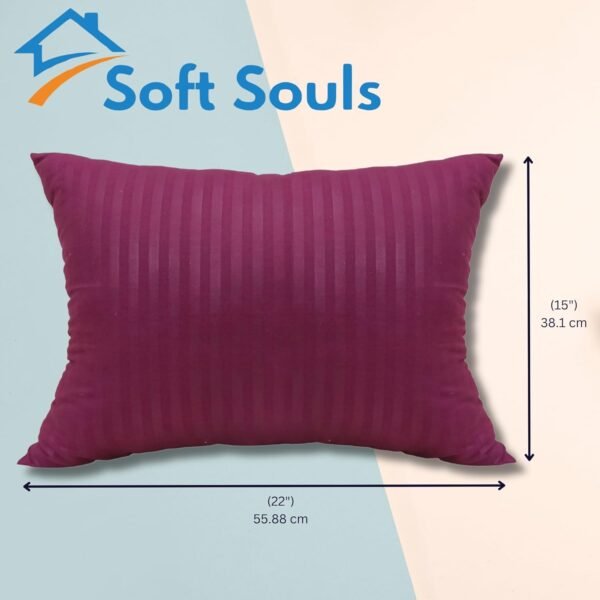
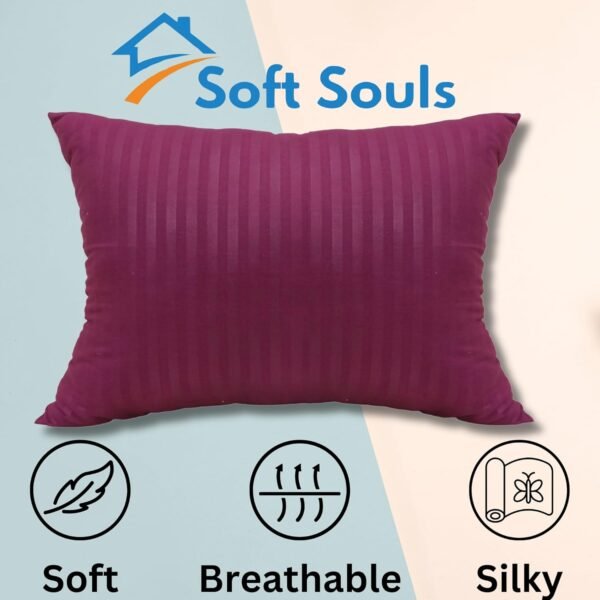
Fill: Kapok · 15 x 22 in · Medium-firm
Kapok Pillow 15 x 22 in – Wine Satin Stripe
Original price was: ₹2,599.00.₹472.00Current price is: ₹472.00. -
72% off
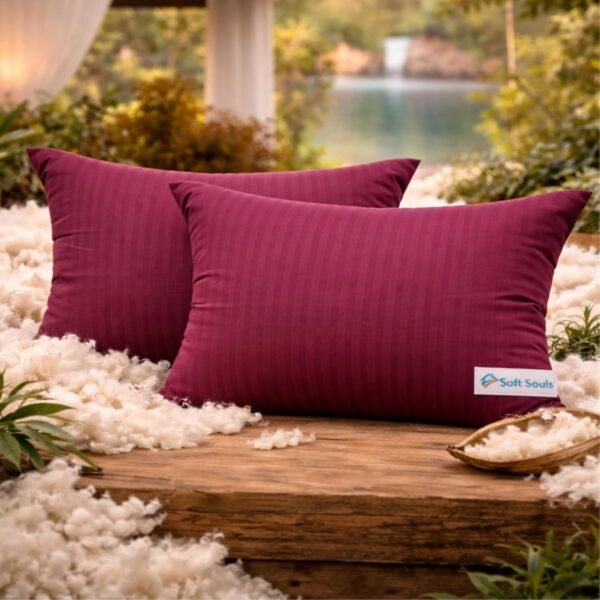
Kapok · Set of 2 · 15 x 22 in
Kapok Pillows 15 x 22 in, Set of 2 – Wine Satin Stripe
Original price was: ₹4,599.00.₹1,287.00Current price is: ₹1,287.00. - Not sure which one?6-question Sleep Finder
-
87% off
Kapok · Navy jute · 18 x 28 in
Large Kapok Pillow 18 x 28 in, Jute Cover – Navy Blue
Original price was: ₹5,499.00.₹697.00Current price is: ₹697.00. -
87% off
Kapok · Jute cover · 18 x 28 in
Large Kapok Pillow 18 x 28 in, Jute Cover – Ocean Blue
Original price was: ₹5,499.00.₹697.00Current price is: ₹697.00. -
83% off
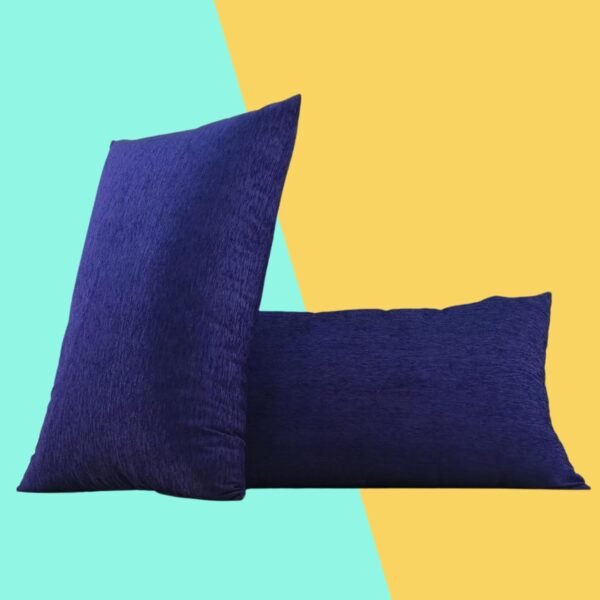
Kapok · Set of 2 · Navy jute
Large Kapok Pillows 18 x 28 in, Jute Cover, Set of 2 – Navy Blue
Original price was: ₹7,499.00.₹1,274.00Current price is: ₹1,274.00. -
77% off
Kapok · Set of 2 · 18 x 28 in
Large Kapok Pillows 18 x 28 in, Jute Cover, Set of 2 – Ocean Blue
Original price was: ₹5,499.00.₹1,274.00Current price is: ₹1,274.00. -
Out of stock
Kapok · Green · 15 x 22 in
Kapok Pillow 15 x 22 in – Green Satin Stripe
Original price was: ₹2,599.00.₹597.00Current price is: ₹597.00. -
Out of stock
Kapok · White · Hotel-style
Kapok Pillow 15 x 22 in – White Satin Stripe
Original price was: ₹2,599.00.₹597.00Current price is: ₹597.00.





















Buying guide
Choosing your kapok pillow
- 1Who's sleeping on it?Adults usually choose Standard or Large. Children get a smaller pillow sized for them.
- 2One or a pair?Double, queen and king beds usually take two. A Pack of 2 gives you a matching set.
- 3Pick a cover you'll loveEvery cover is removable cotton, so choose by colour and wash it whenever you like.
Kapok or hollow fibre?
| Feature | Kapok (Illavam Panju) | Hollow fibre |
|---|---|---|
| What it is | Natural fibre from kapok tree seed pods | Synthetic polyester fibre |
| Feel | Light, airy, springy | Soft, bouncy, even |
| Care | Air monthly in shade, wash cover | Machine wash gently, dry fully |
| Shop | You're here | Fibre Pillows |
Kapok pillows: natural comfort from the silk cotton tree
A kapok pillow is one of the oldest and simplest ways to sleep on a natural fill. For generations, families across South India have stuffed their pillows and mattresses with soft, fluffy fibre gathered from the pods of the silk cotton tree. Today, as more people look for an alternative to foam and polyester, the kapok pillow is finding its way back into modern bedrooms. This guide explains what kapok is, how it feels, who it suits and how to look after it, so you can choose the right one for your bed.
What is a kapok pillow?
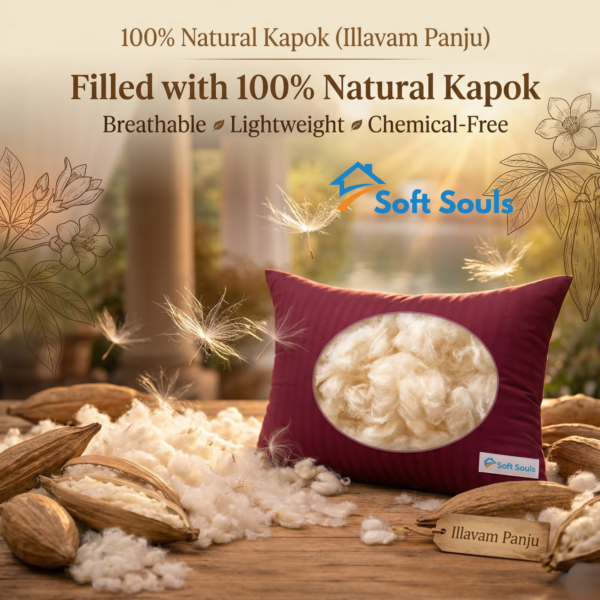
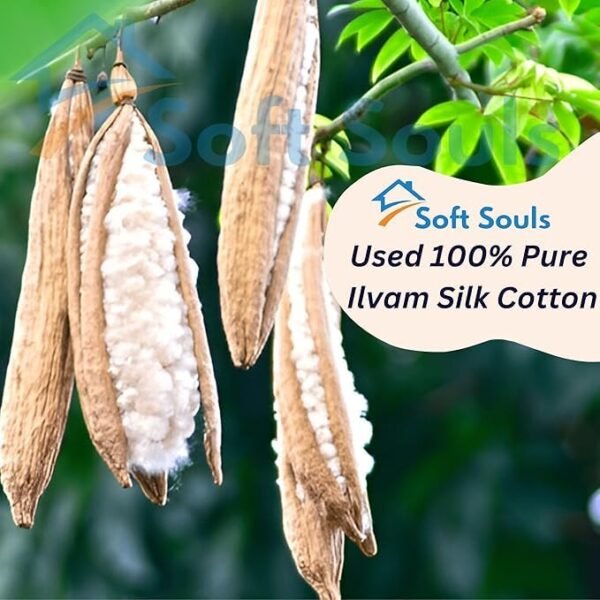
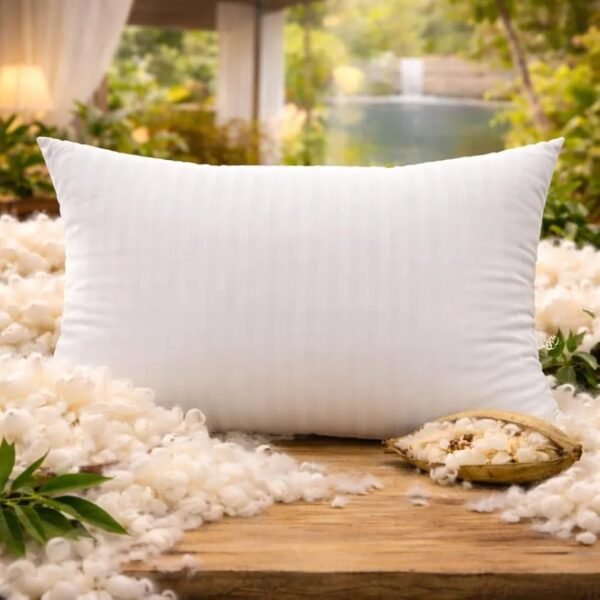
Kapok is a plant fibre that grows inside the seed pods of the kapok tree, often called the silk cotton tree. When the pods ripen and split open, they reveal a mass of fine, silky fibres around the seeds. These fibres are collected, cleaned of seeds and debris, and used as a filling.
A kapok pillow is simply a pillow filled with this fibre instead of foam, latex or synthetic hollow fibre. At Soft Souls, the kapok fill sits inside a removable cotton cover, so the part that touches your face can be unzipped and machine washed.
Kapok fibres are short and smooth, which makes them hard to spin into yarn. That is why kapok has always been used as a stuffing rather than a fabric. It is also why kapok feels so different from a pillow made with woven or knitted materials.
Kapok, Illavam Panju and silk cotton: one fibre, many names
If you grew up in Tamil Nadu, you may know kapok as Illavam Panju (also written ilavam panju), and a kapok pillow as an Illavam Panju pillow. In other parts of India and in everyday English, the same fibre is called silk cotton, and many people simply ask for a "cotton pillow" when they mean a pillow filled with kapok.
All of these names describe the same natural fibre. Kapok is not the same plant as the cotton used to make clothes and bedsheets, but its soft, white appearance explains why the two are so often confused. When you shop for a kapok pillow, a silk cotton pillow or an Illavam Panju pillow, you are looking for the same thing.
How kapok feels compared with foam and polyester fibre
The first thing most people notice about kapok is how light it is. Each kapok fibre is hollow, with air inside it, so a pillow filled with kapok weighs far less than you might expect for its size. Soft Souls kapok pillows weigh roughly 500 to 600 grams, depending on the size.
Kapok has a soft, springy feel. When you lie down, the fill gives gently under your head, and when you fluff it in the morning, it regains its loft. Unlike memory foam, it does not hold a deep imprint of your head and slowly rise back. Unlike some polyester fibre pillows, it has a looser, more natural feel that many people describe as airy.
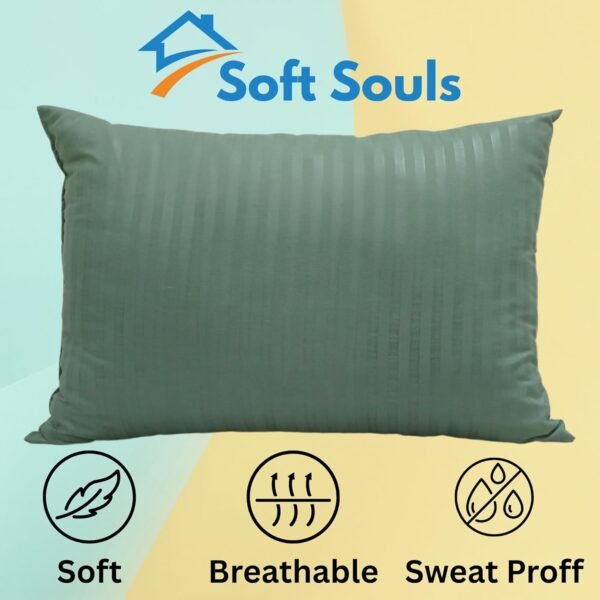
Because kapok is light and loose rather than dense, air can move through the pillow more easily than through a solid block of foam. Many people who sleep warm, especially through humid Indian summers, prefer this lighter feel. How cool you sleep still depends on your room, your bedding and your fan, but kapok avoids the heavy, enclosed feel some people dislike in foam.
Is a kapok pillow right for you?
Kapok tends to suit:
- People who find foam pillows too heavy, too dense or too warm
- Families who prefer a natural plant fibre over synthetic fill
- Back, side and stomach sleepers who like a medium-soft pillow they can shape
- Anyone who grew up with a traditional Illavam Panju pillow and misses that feel
You may prefer a different fill if you want a firm, contoured pillow that stays exactly the same shape all night, or if you want to wash the entire pillow in a machine regularly. In that case, our fibre pillows may be a better match, and our Sleep Finder can help you compare.
How to choose a kapok pillow
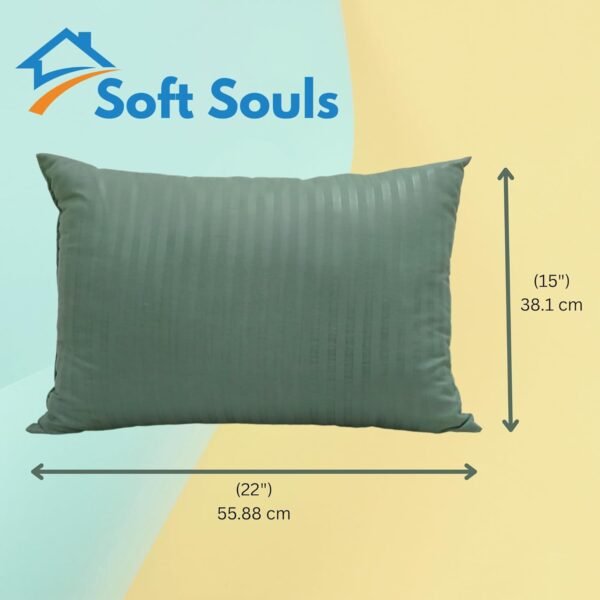
Pick the right size. Soft Souls kapok pillows come in Standard (15 × 22 inches) and Large (18 × 28 inches). Standard suits most single and double beds. Large gives more room if you move around at night or like a fuller pillow.
Decide between one and a pair. Double, queen and king beds usually take two pillows. A Pack of 2 gives you a matching set at a better price per pillow.
Think about who it is for. Children need a smaller, lower pillow than adults. Our kids kapok pillows are sized for younger sleepers.
Choose a cover you will enjoy. Every Soft Souls kapok pillow has a removable cotton cover. You can choose by colour, and pair it with a satin pillow cover if you like a smoother surface.
Caring for your kapok pillow
Kapok needs very little care, but a few simple habits keep it fresh and full for longer:
- Fluff it daily. Give the pillow a quick shake and press each morning to spread the fill evenly.
- Air it monthly. Leave the pillow in shaded, open air for a few hours once a month.
- Wash the cover, not the fill. Unzip the cotton cover and machine wash it as often as you like. Spot clean the pillow itself with a damp cloth and never soak the kapok.
- Store it breathing. Keep spare pillows in a cotton bag rather than sealed plastic.
Kapok pillow price: what you pay for
The price of a kapok pillow depends on the amount of fill, the size, the cover fabric and whether you buy one pillow or a pair. Soft Souls kapok pillows start from ₹472.00 for a single pillow, with matching pairs, kids pillows and a version that includes a pillowcase. Every product page lists the exact size, weight, fill and cover in its Material Passport, so you can compare like for like before you buy.
Why buy your kapok pillow from Soft Souls
Soft Souls is a bedding brand from Tamil Nadu, built around natural fills and breathable comfort for Indian homes. When you buy from us, you get:
- A clear Material Passport on every product, listing fill, cover, size, weight and origin
- Real reviews from real customers, with "Verified purchase" shown only for matching orders
- Cash on delivery, UPI, cards and net banking, with secure payments by Razorpay
- Dispatch within 1 working day
- 7-day returns on unused products
Browse the full range above, or read our Sleep Journal to learn more about natural bedding materials.
Part of our Pillow range. Also see Illavam Panju Pillows, Cotton Pillows, Kids Pillows, Fibre Pillows, Organic Pillows, Baby Pillows.
Kapok pillow questions
Is a kapok pillow the same as an Illavam Panju pillow?
Yes. Illavam Panju is the Tamil name for kapok fibre.
Why do people call it a cotton pillow?
Kapok is often called silk cotton because its soft fibre looks like cotton, but it comes from a different tree.
How do I keep a kapok pillow fresh?
Air it in the shade once a month, fluff it daily and machine wash the cover.
Also browse